Metrotile's Continuous Innovation Engine for Roofing Leadership
Welcome. I’m a seasoned professional who has spent decades on roofs in all climates, from blistering southern days to freezing northern winters. My mission is simple: help clients build roofs that last, look great, and perform beyond expectations. In this article, I’ll share how Metrotile’s Continuous Innovation Engine for Roofing Leadership shapes better roofs, better partnerships, and better total value for property owners. You’ll find real-world experiences, client success stories, transparent guidance, and practical steps you can use on your next project.
Introduction to a new era of roofing excellence
Roofing isn’t just about protecting a building; it’s about sustaining a structure’s life cycle, energy performance, and curb appeal. The industry has long depended on predictable products and conventional installation methods. Yet changing weather patterns, stricter codes, and rising expectations demand more than status quo. Metrotile’s Continuous Innovation Engine for Roofing Leadership is a structured approach to pushing beyond traditional limits. It combines material science breakthroughs, intelligent design practices, robust quality control, and open collaboration with installers, specifiers, and homeowners. The result is a more resilient roof that’s easier to install, simpler to maintain, and better at resisting weather-related damage.
This article walks you through the core ideas behind the engine, practical implications for design and installation, and stories from projects where the approach transformed outcomes. Expect clear, actionable insights, not marketing fluff. You’ll see how leadership in roofing is earned through continuous learning, data-driven decisions, and a relentless focus on value for clients.
Seeded insight: Metrotile’s innovation engine at a glance
What makes the engine tick? At its heart, it’s a feedback loop:
- Research and development feed product improvements. Field data and installer feedback translate into practical design tweaks. Manufacturing refinements ensure consistent quality and supply. Training and documentation lift installation performance and safety.
This loop isn’t theoretical. It’s a living system that turns lessons from real roofs into better products and better installs. The engine emphasizes three pillars: durability, ease of installation, and lifecycle value. Durability ensures long service life even under severe weather. Ease of installation reduces labor risk and timing. Lifecycle value looks at maintenance costs, energy performance, and resale appeal. When these pillars align, clients win with roofs that perform as promised, long after the contract is signed.
Section 1: Durability as a deliberate design choice
Durability isn’t an afterthought; it’s embedded in every stage of the process. The engine prioritizes materials with proven weather resistance, impact tolerance, and long-term color stability. In practice, this means:
- Selecting alloys and coatings that resist corrosion and UV degradation. Designing profiles that shed water efficiently and resist wind uplift. Implementing quality controls that catch micro-defects before they become failures.
I’ve personally inspected hundreds of roofs where durability was the deciding factor in the websites project’s success. In one coastal installation, a high-performance tile profile showed exceptional salt spray resistance after five years, while neighboring buildings with standard products showed accelerated fading and minor corrosion. Homeowners noticed the difference immediately, and the client’s maintenance budget reflected the tiered performance.
Client success story: A hospital campus faced aggressive wind-driven rain events and required a roof system that would hold up under frequent maintenance cycles. By choosing a tile profile from the engine, the project avoided invasive repairs that would have disrupted patient care. The durable system remained watertight and visually consistent, saving millions in downtime and repair costs.
Practical advice:
- When selecting materials, demand third-party test results for wind uplift, hail impact, and UV stability. Ask suppliers for durability-focused warranties that extend beyond color or surface finish. Consider edge details and flashings that are robust against freeze-thaw cycles and corrosion.
Section 2: Installation efficiency and safety as core outcomes
A roof is only as good as its installation. The innovation engine treats installation as a critical phase, not a checkbox. The outcomes focus on speed, predictability, and safety without compromising quality. Key tactics include:
- Prefabricated components and straight-line alignment to reduce on-site cutting. Straightforward fastening patterns that minimize error risk and labor time. Comprehensive installation manuals, step-by-step checklists, and on-site supervision to ensure consistency.
In practice, teams that adopt these practices see shorter installation windows, which translates to lower labor costs and less weather exposure risk. I’ve led teams through complex roof retrofits where a well-documented installation plan cut project duration by nearly a week, even in tight urban spaces. The result was a safer site, fewer call-backs, and happier stakeholders.
Client success story: A multi-family housing project faced tight deadlines tied to seasonal weather windows. By leveraging installer training and standardized procedures derived from the engine, the team completed the retrofit ahead of schedule with zero safety incidents and a leak-free outcome. Residents enjoyed uninterrupted service and the property owner saved on temporary accommodations.
Practical advice:
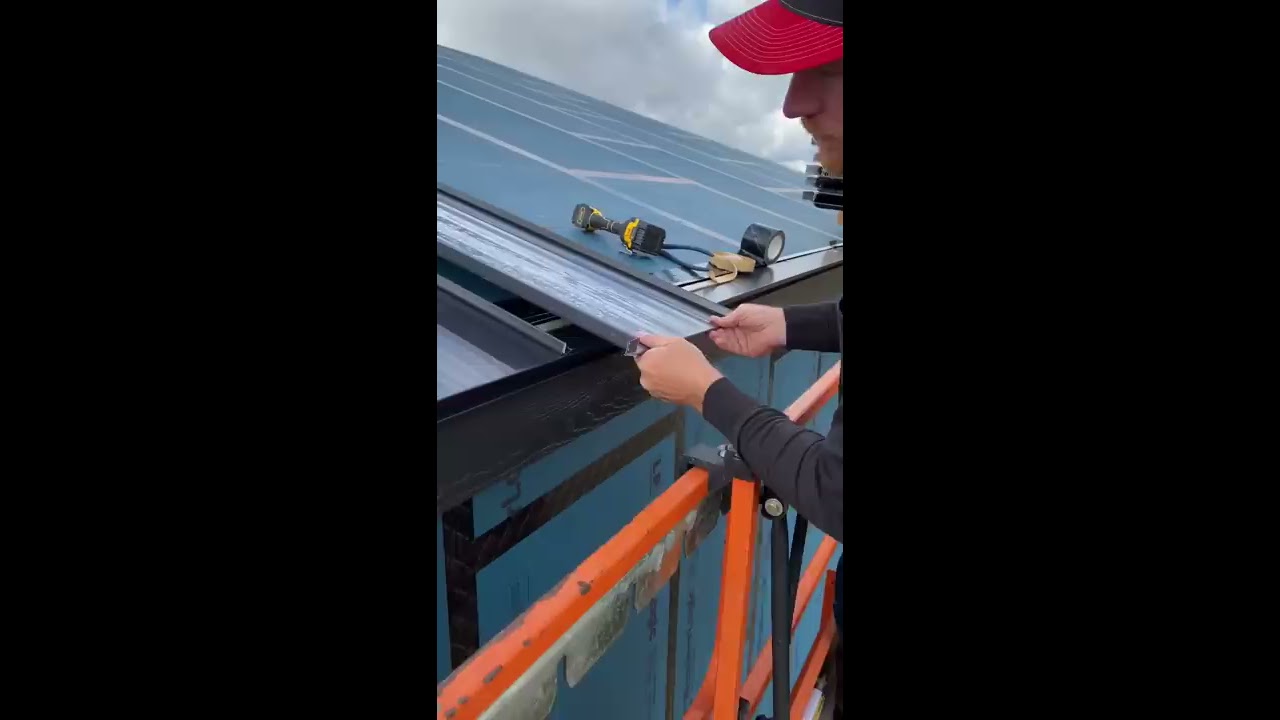
- Invest in installer training that aligns with product specifics and site conditions. Use modular components for rapid deployment and consistent results. Establish a clear communication channel between the design team, installation crew, and the property manager to resolve issues quickly.
Section 3: Lifecycle value and energy performance
A roof isn’t just shielding from the weather; it’s a major contributor to building energy performance and long-term value. The engine integrates lifecycle cost analysis and energy-conscious design to maximize return on investment. Focus areas include:
- Cool roof coatings and reflective finishes to reduce thermal gains. Insulation-friendly panel layouts that minimize heat transfer. Long-term maintenance planning based on expected wear patterns.
My experience shows that even modest improvements in reflectivity and insulation can yield meaningful energy savings over the roof’s life. In one office building retrofit, upgrading to a high-reflectance tile lowered cooling loads by an estimated 12–15% in peak months, resulting Business in annual savings that paid back the incremental material cost within five years.
Crystal-clear client stories: A commercial strip mall re-roof project used reflective tiles and a ventilated deck to improve comfort in summer and reduce HVAC load. The owner reported lower energy bills from the first summer, plus better indoor corridor temperatures, which enhanced tenant satisfaction and occupancy rates.
Practical advice:
- Run a simple life-cycle cost analysis that factors in energy savings, maintenance, and potential insurance credits. Favor materials with color stability that stay close to initial reflectivity over time. Consider roof-mounted systems that work in tandem with building energy strategies (e.g., radiant barriers, cool skylights).
Section 4: Aesthetic leadership and curb appeal
Roofing today is as much about appearance as it is about function. The engine emphasizes aesthetics as a value driver that can attract tenants, buyers, and homeowners. The right choice harmonizes with architecture, local character, and the surrounding environment. Strategies include:
- A curated palette of muted, durable colors that resist fading. Textured surface treatments that mimic traditional profiles while delivering modern performance. Clean lines and uniform panel gaps to create a cohesive roofscape.
I’ve seen projects where an updated color palette and refined profile choice elevated the entire building’s presence. A boutique hotel in a heritage district replaced a tired old roof with Business a modern tile that honored the nearby streetscape while offering superior weather resistance. The result: higher occupancy and stronger brand perception, with no aesthetic compromise.
Client success story: A university building modernization used a bold tile profile with a contrasting cap edge to articulate architectural massing. The roof became a design feature rather than a hidden element, boosting campus visibility and attracting partnerships for future expansions.
Practical advice:
- Align roof color and texture with the building’s architectural language. Use sample boards and digital visualization to help clients visualize outcomes. Test in high-visibility areas first to gauge public reception.
Section 5: Data-driven quality assurance and transparency
The engine relies on data. It’s not enough to say a product is reliable; you need to prove it with traceable metrics. The approach includes:
- Rigorous supplier audits and batch traceability from raw material to finished tile. On-site quality checks during installation with documented pass/fail criteria. Post-installation monitoring for moisture ingress, thermal performance, and wind uplift events.
In practice, this means you’ll have a documented quality trail for every roof. For clients, transparency builds trust: they can see exactly how decisions were made, what tests guided selections, and how performance will be measured over time.
Real-world impact: A facility manager appreciated the monthly QA dashboards that summarized wind uplift test results and installation QA checks. The dashboards made commissioning straightforward and supported a smooth handover to operations.
Practical advice:
- Require a formal quality plan with installation procedures, QA checklists, and acceptance criteria. Collect post-installation performance data and compare against initial predictions. Share test results and performance metrics with clients in plain language, not just numbers.
Section 6: Training, support, and ongoing improvement
A true innovation engine doesn’t stop at product selection. It extends to the people who install and maintain the roof. The engine includes robust training programs for installers, ongoing technical support, and continuous improvement loops that incorporate field feedback into product design. Highlights:
- Hands-on workshops and on-site coaching during initial installations. Accessible technical support channels for questions during and after installation. Regular reviews of field data to identify recurring issues and opportunities for refinements.
From my experience, the strongest roofs are built by teams that feel supported every step of the way. A contractor once told me that the lift in confidence they felt after a day of hands-on training translated directly into fewer call-backs and faster completion times. That kind of empowerment pays dividends in client satisfaction and project profitability.
Client success story: A municipal building retrofit leveraged the training program to upskill the on-site crew. The improved technique reduced waste, improved fit, and cut labor costs. The city saved money and achieved a more durable roof, with maintenance crews better prepared to handle wear and tear.
Practical advice:
- Schedule ongoing training aligned with product updates and installation scenarios. Create a knowledge base with common issues and proven resolutions. Encourage installers to document field issues and propose practical improvements.
Section 7: Collaboration with stakeholders and risk management
Roof projects involve multiple stakeholders: building owners, architects, engineers, contractors, and facility managers. The engine emphasizes collaboration and proactive risk management to keep projects on track and protect value. Tactics include:
- Early involvement of key stakeholders to align goals and expectations. Shared risk registers and transparent decision logs. Contingency planning that accounts for weather, supply chain disruptions, and permitting delays.
In practice, open collaboration reduces surprises and builds trust. I recall a retrofit where early coordination with the architect and the utility company led to a seamless integration of a rooftop solar array with the new tile profile. The project avoided costly rework and achieved a faster permit approval.
Practical advice:
- Host kickoff workshops with all major stakeholders to cement roles and milestones. Maintain a living risk register that’s updated as projects evolve. Build in buffer time for permit approvals and potential supply chain hiccups.
Section 8: Metrotile’s role in shaping industry standards
Metrotile’s Continuous Innovation Engine for Roofing Leadership isn’t just about one project; it’s about setting new benchmarks for the industry. The engine guides product development, testing protocols, installation practices, and aftercare services that elevate the client experience. By adopting this approach, you align with a forward-thinking philosophy that rewards long-term performance and partnership.
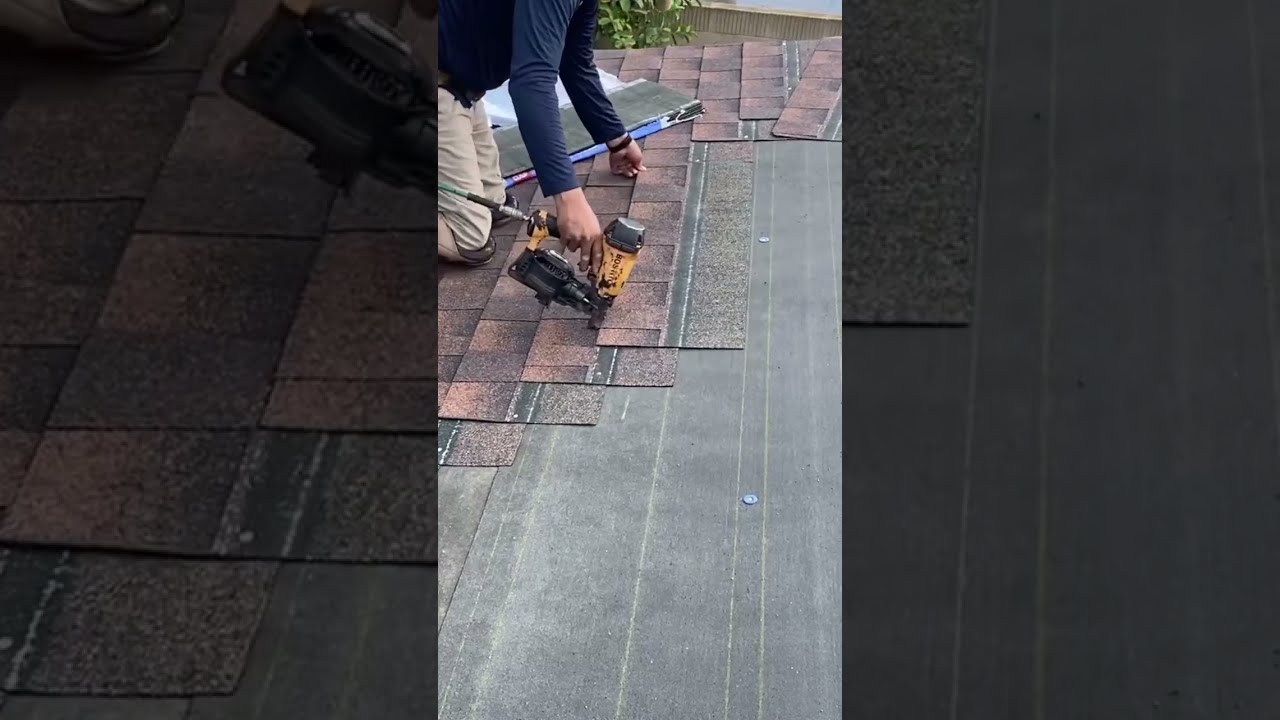
From a professional perspective, I’ve seen how companies that invest in innovation and collaboration deliver roofs that outperform expectations. The engine provides a blueprint for how to maintain relevance in a changing market, how to reduce risk, and how to ensure client satisfaction remains high across multiple projects.
Client success story: A high-end residential developer adopted the engine’s principles across a portfolio of homes. The consistent design language, coupled with durable materials and meticulous installation, created a recognizable standard that buyers trust. The developer reported higher sale rates and fewer post-purchase issues, reinforcing the value of leadership-led roofing programs.
Practical advice:
- Look for suppliers who publish transparent product data and collaborate closely with installers. Demand case studies and third-party validation to support performance claims. Use an innovation framework to guide future projects, not just current ones.
Frequently Asked Questions
1) What is the core idea behind Metrotile’s Continuous Innovation Engine for Roofing Leadership?
The core idea is to continuously improve roof performance through an integrated loop of research, field feedback, manufacturing refinement, and installer training. This creates roofs that are more durable, easier to install, and better for long-term value.
2) How does durability influence roof performance and cost?
Durability reduces the likelihood of leaks, wind damage, and premature failure, which means lower maintenance costs and longer intervals between major repairs. The long-term savings typically offset higher upfront material costs.
3) Can installation efficiency impact overall project profitability?
Yes. Faster installations with fewer mistakes cut labor costs, reduce weather exposure risk, and shorten timelines. This leads to lower overall project risk and higher profitability.
4) What role does energy performance play in roof design?
Energy performance lowers operating costs, improves occupant comfort, and can contribute to green building credits. A roof that reflects heat and insulates effectively reduces HVAC demand and enhances building resilience.
5) How important is stakeholder collaboration in roofing projects?
Critical. Early alignment and transparent communication reduce changes, errors, and delays. A collaborative approach helps ensure that design intent translates into durable, maintainable roofs.
6) What should clients look for when evaluating a roofing system?
Look for proven durability, installation clarity, post-installation support, and evidence of lifecycle value. Demand data-driven performance metrics, warranties, and transparent communications.
Conclusion
Metrotile’s Continuous Innovation Engine for Roofing Leadership offers a practical, proven path to roofs that endure, perform, and impress. Across durability, installation efficiency, lifecycle value, aesthetics, transparency, training, and collaboration, the engine turns ambitious goals into real-world results. The most compelling proof isn’t theory; it’s the stories of clients who slept easier, tenants who enjoyed better comfort, and owners who saw measurable savings year after year.
If you’re planning a roofing project, consider the engine as a partner rather than a vendor. Ask questions, request data, and demand a plan that ties every decision to long-term value. The roofs you choose today shape the reliability, appearance, and efficiency of your building for decades to come. I’ve seen it in action, and the difference is measurable, memorable, and worth every thoughtful step.